
Polyethylene is a key material in many industries because of its special properties. Knowing about polyethylene density helps pick the right type for different uses. This guide will look at HDPE, LDPE, MDPE, and UHMW polyethylene. Each type is used for specific tasks, making density very important.
Understanding Polyethylene: An Overview
Polyethylene is a very common plastic used all over the world. It’s made from ethylene through a process called polymerization. This plastic can be very flexible or very hard, depending on how it’s made. Knowing about polyethylene and its types is key to using it right.
What is Polyethylene?
Polyethylene is a simple plastic but it’s very useful because of its many forms. Its density and structure determine its properties. This makes it great for lots of things, from soft to hard products.
Types of Polyethylene: HDPE, LDPE, MDPE, and UHMW
The types of polyethylene include:
| Type | Density (g/cm³) | Common Uses |
|---|---|---|
| Low-Density Polyethylene (LDPE) | 0.910-0.940 | Plastic bags, film wraps, squeeze bottles |
| High-Density Polyethylene (HDPE) | 0.940-0.965 | Milk jugs, detergent bottles, piping systems |
| Medium-Density Polyethylene (MDPE) | 0.926-0.940 | Gas pipes, cabling, and packaging films |
| Ultra-High-Molecular-Weight Polyethylene (UHMWPE) | 0.930-0.935 | Bulletproof vests, orthopedic implants, high-performance equipment |
Knowing about the different types of polyethylene helps us use it better. For more info on polyethylene types and their uses, check out this link. It’s useful for both makers and users.
Polyethylene Density: Importance in Applications
Understanding polyethylene density is key to knowing how it affects its use. The density of a material impacts its strength, flexibility, and durability. This is important when choosing the right polyethylene for a job.
How Density Affects Material Properties
The link between polyethylene density and its physical traits is vital. High-density polyethylene (HDPE) is stronger and stiffer than low-density polyethylene (LDPE), which is more flexible. These differences guide us in picking the right polyethylene for a task.
For example, HDPE is great for building materials because it’s durable. On the other hand, LDPE is used in packaging because it’s light but strong.
Comparative Analysis: Density Levels of Different Polyethylene Types
Looking at different polyethylenes shows how their densities vary. This variation affects their uses. Here’s a table showing the main traits of each type:
| Type | Density (g/cm3) | Applications |
|---|---|---|
| Ultra-high-molecular-weight polyethylene (UHMWPE) | 0.930–0.935 | Machine parts, bearings, artificial joints |
| High-density polyethylene (HDPE) | ≥ 0.941 | Milk jugs, water pipes, garbage containers |
| Medium-density polyethylene (MDPE) | 0.926–0.940 | Gas pipes, carrier bags, shrink film |
| Linear low-density polyethylene (LLDPE) | 0.915–0.925 | Packaging, toys, cable coverings |
| Low-density polyethylene (LDPE) | 0.910–0.940 | Plastic bags, film wrap |
| Very-low-density polyethylene (VLDPE) | 0.880–0.915 | Flexibility-focused applications |
This guide to polyethylene types helps manufacturers make better choices. It shows how density affects strength, impact resistance, and performance in various fields.
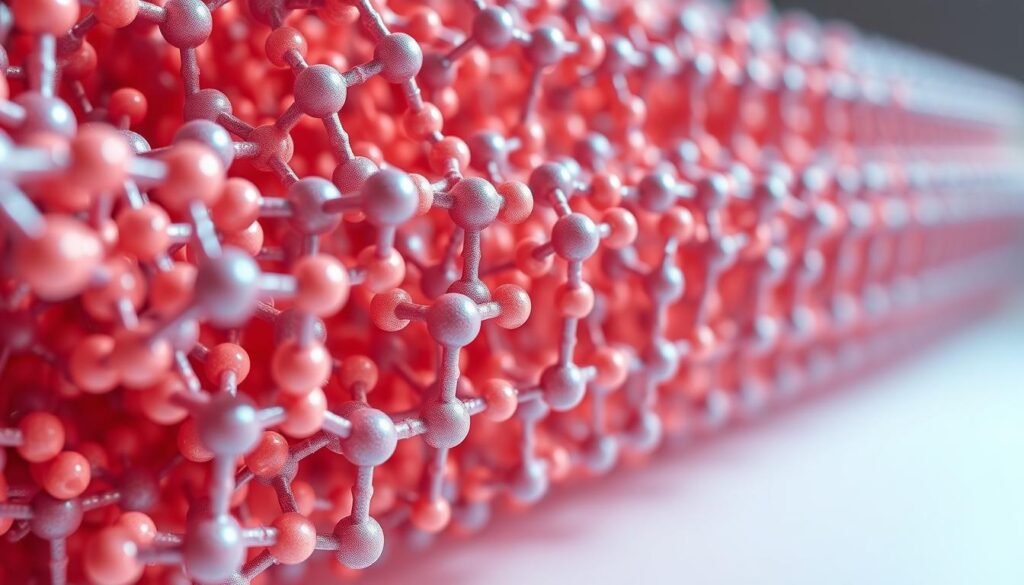
Applications of High Density Polyethylene (HDPE)
High-Density Polyethylene (HDPE) is a standout material in many fields. It’s strong, resistant to chemicals, and can handle tough environments. Its wide range of uses makes it a top pick in many industries.
Common Uses of HDPE
HDPE has many important uses. Here are some key ones:
- Bottles and containers for different liquids, thanks to its great barrier properties.
- Pipes for water and drainage systems, known for lasting long and resisting chemicals.
- Plastic lumber as a wood substitute in decking and landscaping.
- Marine products like docks and buoys, because they resist moisture and impact well.
Advantages of HDPE in Various Industries
HDPE’s benefits make it very popular. Industries gain from:
- Being cost-effective, helping with sustainable practices because it’s recyclable.
- Long-lasting products, cutting down on upkeep costs in building and infrastructure.
- Superior durability, ensuring it works well in packaging, cars, and more.
Applications of Low Density Polyethylene (LDPE)
Low-Density Polyethylene (LDPE) is known for its flexibility and softness. It’s a lightweight material that shines in LDPE applications, from packaging to consumer goods. Its wide range of uses shows its key role in many industries, highlighting its benefits.
Why Choose LDPE for Specific Tasks
LDPE stands out for its chemical resistance and durability. It can be molded into many shapes, making it versatile. The benefits of LDPE include a low melting point, making it easy to work with and cost-effective. Its availability and affordability make it a popular choice for manufacturers.
Typical Industries Utilizing LDPE
Many industries rely on LDPE for their daily tasks:
- Packaging: Used for plastic bags, shrink wraps, and films.
- Consumer Goods: Commonly found in toys, water bottles, and kitchenware.
- Construction: Applied in geomembranes, pipe coatings, and insulation materials.
- Agriculture: Utilized for greenhouse films, mulch films, and irrigation pipes.
- Medical: Employed in medical bags, tubing, and syringes.
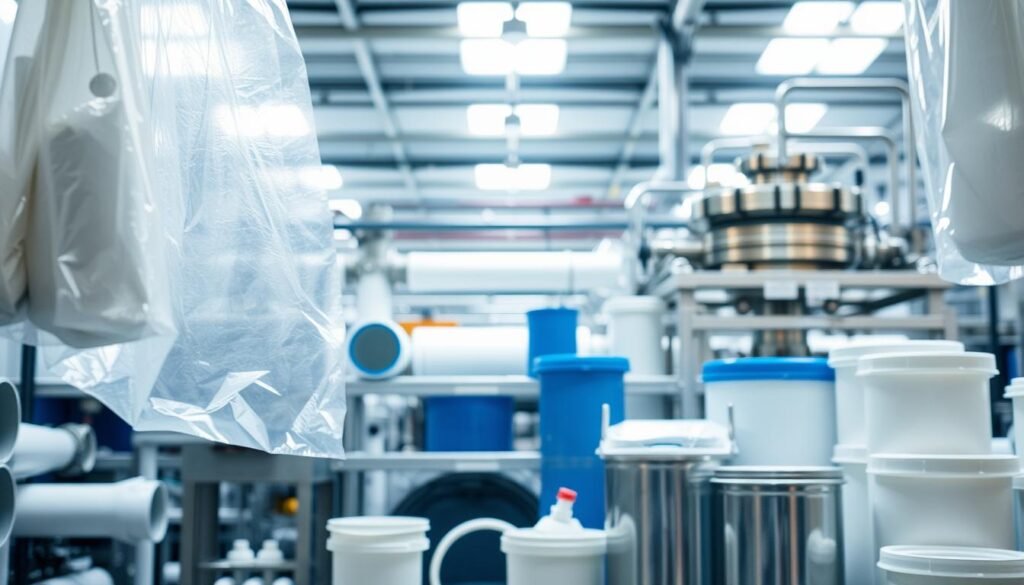
To learn more about LDPE’s properties and uses of Low-Density Polyethylene, check out this detailed resource on LDPE applications.
Impact of Polyethylene Density on Performance
Polyethylene’s density greatly affects its performance in different uses. The strength-to-weight ratio is key in choosing the right polyethylene for a job. This helps in picking the best material for industries like construction and packaging.
Strength-to-Weight Ratio in Various Applications
Polyethylene’s performance changes with its density. High-Density Polyethylene (HDPE) has a great strength-to-weight ratio. It can handle heavy loads without being too heavy.
This makes HDPE perfect for tough jobs like containers, pipes, and car parts. But, lower-density types are not as strong. They’re better for softer uses but not for heavy tasks.
The Role of Density in Durability and Longevity
Density is key to polyethylene’s durability. Higher-density types last longer and resist wear and environmental damage well. For example, pipes made from it stay strong over time.
Adjusting polyethylene density, as shown in this resource, improves its mechanical properties and lifespan. This makes it reliable for many uses.
Polyethylene Density and Environmental Concerns
The need for sustainability has made polyethylene recyclability a key topic. Different polyethylenes have different recyclability levels, affecting their environmental impact. HDPE, or High Density Polyethylene, is very recyclable and is number 2 in recycling systems. On the other hand, LDPE, or Low Density Polyethylene, is less recyclable and is number 4.
This shows how important it is to choose the right type for eco-friendly uses.
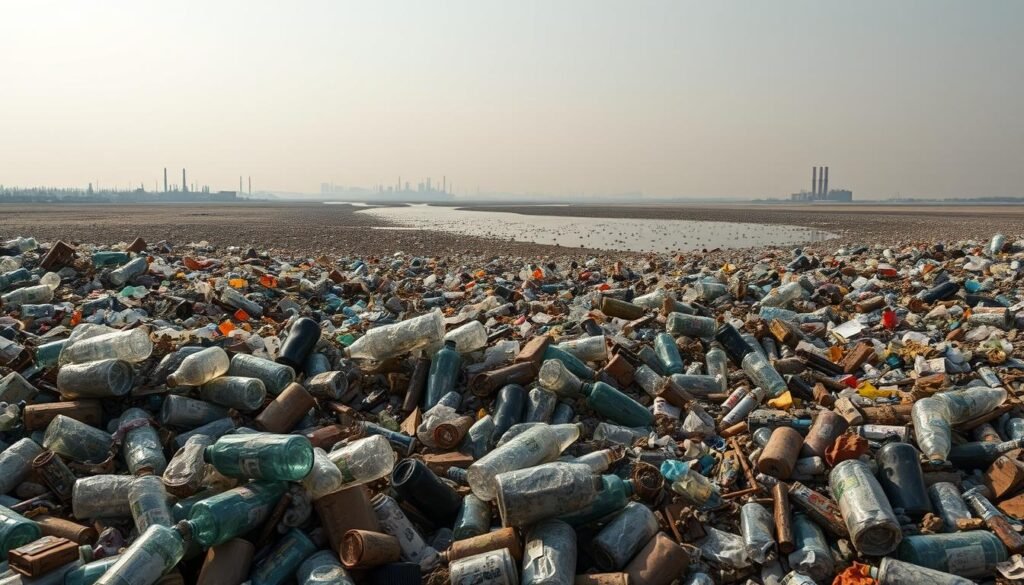
The environmental impact of polyethylene goes beyond recyclability. All types of polyethylene are not biodegradable, causing big waste management problems. Industries are working hard to deal with polyethylene’s long stay in landfills and its pollution effects.
There’s a move towards biodegradable polyethylene and better recycling. Using sustainable practices in making and disposing of polyethylene helps solve these problems. It also meets the needs of regulations and consumers.
Recyclability of Different Polyethylene Types
- HDPE (High Density Polyethylene): Highly recyclable, often used for containers, bottles, and piping.
- LDPE (Low Density Polyethylene): Lower recyclability, commonly found in plastic bags and wraps.
- MDPE (Medium Density Polyethylene): Moderate recyclability, used for products like gas pipes.
- UHMW (Ultra High Molecular Weight Polyethylene): Limited recyclability, mainly for specialty uses.
Challenges Associated with Non-Biodegradability
“The inability of polyethylene to decompose naturally raises concerns about its long-term environmental impact and necessitates innovative solutions.”
Knowing about polyethylene’s environmental challenges helps us make better choices. We need to focus on making biodegradable polyethylene and improving recycling. This will help reduce plastic pollution and protect our oceans and land.
Best Practices for Choosing the Right Polyethylene
Choosing the right polyethylene is key for any project. Many factors need to be considered during the selection process. This ensures the material meets the project’s needs and expectations.
Factors Influencing Material Selection
Several important factors should be looked at when picking polyethylene. These include:
- Mechanical Properties: Check the tensile strength and flexibility to see if it fits.
- Environmental Conditions: Think about how it will handle chemicals and temperature changes.
- Project Requirements: Look at the budget, availability, and what the project needs.
Industry-Specific Guidelines for Polyethylene Usage
Each industry has its own rules for using polyethylene. Following these guidelines is important for safety and performance. Some key guidelines are:
- Construction: Guidelines for HDPE in plumbing and drainage.
- Food Packaging: Rules for LDPE to keep food safe.
- Agriculture: Specific types of polyethylene for outdoor use.
Innovations in Polyethylene Materials
The world of polyethylene is seeing big changes. New ways of making materials are improving their quality and how they’re made. Now, we’re using biopolymer blends and better recycling methods. These changes help make polyethylene stronger and more eco-friendly.
Recent Advancements in Manufacturing Techniques
New methods in making polyethylene are making it stronger and more flexible. Techniques like advanced extrusion and injection molding improve quality and cut down waste. These steps make polyethylene cheaper and better for the environment, keeping sustainability in mind.
Future Trends in Polyethylene Applications
The future looks bright for polyethylene, with more uses in construction, cars, and healthcare. As we need lighter and stronger materials, polyethylene will be key. It will help create new products, showing the importance of staying ahead in the game.
Conclusion
Understanding polyethylene density is key for picking the right material for different uses. Each type of polyethylene, like HDPE, LDPE, and MDPE, has unique traits. These traits help manufacturers and users make smart choices that boost performance and care for the environment.
This summary shows why it’s important to think about both the material’s strength and its effect on the planet. As we focus more on being green, finding better ways to recycle and make materials is essential. This will help polyethylene stay useful and eco-friendly in the future.
This guide offers a detailed look at polyethylene, helping those who choose and use it in various fields. Knowing about the different types and their uses helps everyone work better and protect the environment.