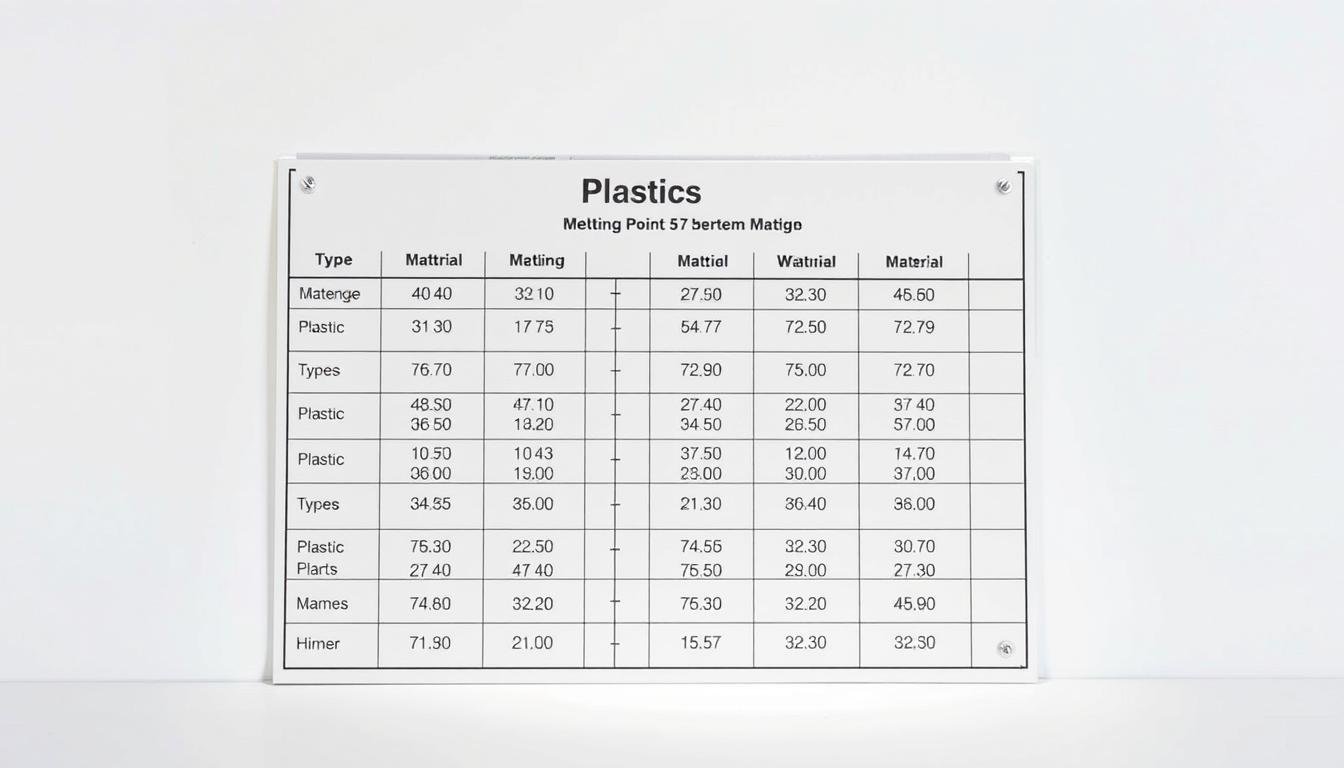
Modern manufacturing relies heavily on understanding thermal properties in material selection. For engineers and product designers, knowing when polymers transition from solid to liquid states directly impacts production success. This melting point guide breaks down critical considerations for working with synthetic materials.
Material behavior under heat varies dramatically across polymer types. Everyday thermoplastics like polyethylene become workable at 115°C (239°F), while advanced composites such as PEEK require temperatures exceeding 300°C (572°F). These differences determine molding techniques, energy use, and final product durability.
Industrial applications demand precise thermal data. Automotive parts withstand engine heat, medical devices survive sterilization cycles, and consumer goods retain shape during shipping – all through calculated material choices. Manufacturers optimize cycle times and reduce waste by aligning processing conditions with resin specifications.
This resource explores how crystalline structures, additives, and processing methods influence heat tolerance. Discover practical strategies for selecting materials that balance performance requirements with production realities across U.S. industries.
Introduction to Plastic Melting Points
In polymer science, thermal transitions unlock possibilities for shaping durable products. These transitions determine how synthetic materials respond to heat during fabrication and use. Engineers rely on precise thermal data to balance processing efficiency with product performance.
Understanding the Basics
Thermoplastics and thermosets behave differently under heat. Materials like polyethylene become moldable at specific ranges, while epoxy resins harden permanently. This distinction affects recycling potential and production methods.
Key considerations include:
- Transition ranges rather than fixed points for most polymers
- Chemical structure’s role in heat resistance
- Additives that modify thermal behavior
Importance in Material Selection and Manufacturing
Production teams use thermal data to:
- Calculate energy requirements
- Prevent material degradation
- Ensure dimensional stability
Automotive and medical industries require materials that withstand specific thermal stresses. A melting point guide helps designers choose resins matching their application’s temperature demands.
Optimal processing conditions reduce waste and improve product consistency. This balance separates successful manufacturing operations from those struggling with quality issues.
Key Factors Influencing Plastic Melting Points
The transition from solid to liquid in polymers isn’t arbitrary but governed by specific factors. Material characteristics and external variables work together to determine thermal thresholds. These elements shape manufacturing outcomes and product reliability across industries.
Material Properties and Chemical Composition
Molecular structure acts as the foundation for thermal behavior. Long polymer chains with strong bonds require more energy to break down. Crystalline regions melt at precise temperatures, while amorphous areas soften gradually. Additives like glass fibers can increase heat resistance by 15-20% in some composites.
Manufacturers often modify base resins with mineral fillers to alter flow characteristics. Higher molecular weight materials typically need elevated temperatures for proper processing. This impacts equipment selection and energy use in production facilities.
Temperature Conditions and Environmental Impact
Processing equipment settings directly affect thermal outcomes. Screw rotation speeds in injection molding machines influence friction-induced heat generation. Longer residence times in barrels can degrade sensitive polymers if not properly controlled.
| Factor | Impact | Example |
|---|---|---|
| Molecular Weight | Higher = Increased Temp Needs | PEEK vs. PET |
| Additives | ±20% Melting Range Shift | Glass-Filled Nylon |
| Ambient Humidity | Alters Heat Transfer Rates | ABS in Coastal Areas |
Environmental conditions during production also play a role. High humidity can lower effective melt temperatures by absorbing heat energy. Atmospheric pressure changes affect bubble formation in extruded materials. These variables require constant monitoring in precision manufacturing.
Exploring the “melting point of plastic” in Modern Manufacturing
Manufacturers face critical decisions when shaping synthetic materials. Proper heat management determines product integrity and operational costs across industries. This balance becomes most evident in high-volume manufacturing processes.
Significance in Injection Molding
Barrel temperatures directly impact material behavior during shaping. Operators must account for friction-induced heat from screw rotation. Actual melt temperatures often exceed machine settings by 10-15°C due to mechanical stress.
Key monitoring points include:
- Nozzle exit measurements
- Residence time in heating zones
- Coolant flow rates
Balancing Energy Consumption and Production Quality
Facilities reduce power usage by 18% when matching equipment capabilities to material requirements. Lower-temperature resins like polypropylene shorten cycle times. High-performance polymers demand precise heating but enable durable end products.
Advanced sensors now track real-time viscosity changes. This data helps maintain consistency across batches while minimizing energy waste.
Comparative Analysis of Common Plastics
Material selection drives both performance and efficiency. ABS flows at 190-270°C, ideal for automotive components. PEEK requires 350-390°C for aerospace applications but offers superior heat resistance.
| Material | Processing Range | Energy Use |
|---|---|---|
| Polypropylene | 160-240°C | Low |
| Nylon 66 | 260-290°C | Medium |
| PEEK | 350-390°C | High |
These variations explain why manufacturers maintain multiple production lines. Matching resin properties to equipment prevents thermal degradation and ensures dimensional accuracy.
Thermal Behavior: Crystalline vs. Amorphous Plastics
Material performance under heat depends on molecular organization. Crystalline polymers arrange atoms in repeating patterns, while amorphous varieties lack structural order. This fundamental difference creates distinct thermal responses critical for manufacturing decisions.
Characteristics of Crystalline Materials
Orderly molecular structures create predictable phase changes. Materials like polyethylene and nylon maintain shape until reaching specific thresholds. Their sharp transition from solid to liquid allows precise molding but demands exact temperature control during processing.
Key advantages include:
- Enhanced chemical resistance
- Superior mechanical strength
- Consistent shrinkage rates
Properties of Amorphous Plastics
Disordered molecular chains enable gradual softening. Polycarbonate and polystyrene become pliable across temperature ranges rather than at fixed points. This behavior permits wider processing windows but requires careful monitoring to prevent deformation.
Manufacturers track Vicat softening temperatures to determine usability limits. These materials often excel in applications needing optical clarity or impact resistance, though they generally show lower heat tolerance than crystalline counterparts.
Injection Molding Applications and Material Performance
Precision temperature management separates exceptional injection molding operations from average ones. The interplay between mold heating and resin flow dictates product integrity across industries. Success hinges on balancing thermal variables that affect cycle times and structural properties.
Optimizing Mold and Melt Temperatures
Strategic temperature pairing unlocks superior part characteristics. Combining lower melt temperatures with heated molds reduces energy use while enhancing mechanical performance. This approach minimizes internal stresses in amorphous polymers like ABS, improving impact resistance by up to 30%.
Semi-crystalline materials demand precise thermal control. Mold temperatures directly influence molecular alignment during cooling. Higher settings promote crystallinity, boosting wear resistance in components like gear housings. A plastic melting point chart helps technicians maintain optimal processing windows.
Advanced systems now track both variables in real time. Sensors adjust heating elements to prevent premature solidification. This ensures complete cavity filling while maintaining tight tolerances for medical devices and automotive parts.
| Material Type | Mold Temp Range | Key Benefit |
|---|---|---|
| ABS | 60-80°C | Stress Reduction |
| Polypropylene | 30-60°C | Cycle Efficiency |
| Nylon 66 | 80-120°C | Crystallinity Control |
Manufacturers achieve consistent results by aligning equipment capabilities with resin specifications. Proper temperature relationships prevent warping and ensure dimensional stability across production runs.
Process Settings and Their Impact on Product Quality
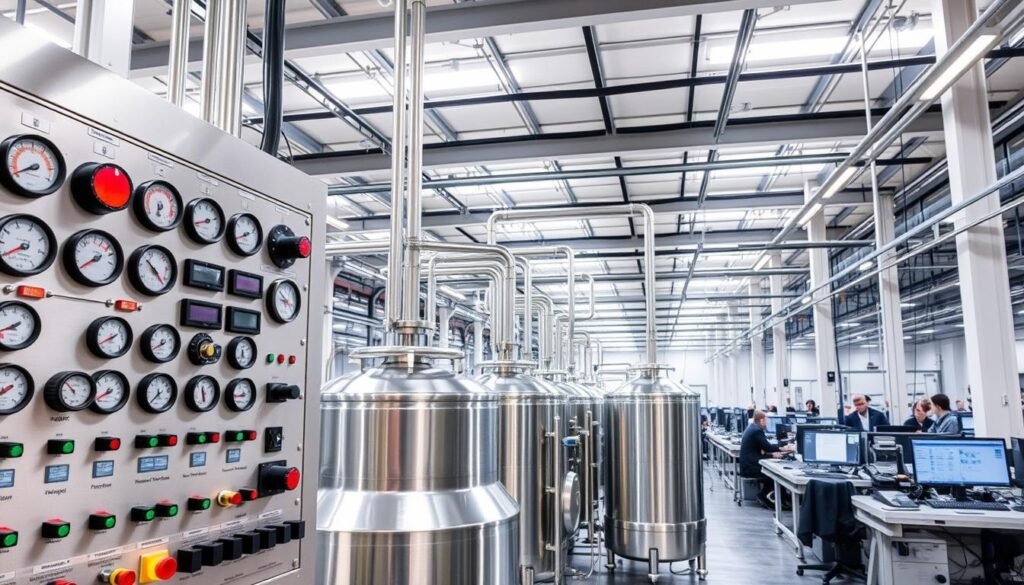
Precision in manufacturing hinges on dialing in thermal parameters that govern material behavior. Every adjustment to processing conditions ripples through production outcomes, affecting structural integrity and operational costs. This delicate balance separates efficient operations from those battling defects and waste.
Effect of Melt Temperature and Viscosity
Excessive heat proves counterproductive in polymer processing. When resin temperatures climb beyond optimal ranges, molecular chains begin breaking down. This degradation weakens finished components and increases energy consumption by 12-18% in typical operations.
Viscosity changes create flow inconsistencies during molding. Operators must maintain precise thermal profiles to ensure even material distribution. Advanced sensors now track real-time viscosity shifts, enabling automatic adjustments before defects occur.
Influence of Cooling Cycles on Final Properties
Rapid cooling often introduces internal stresses that compromise durability. Proper thermal management allows controlled solidification, enhancing surface finish and dimensional accuracy. Automotive manufacturers achieve 25% faster cycle times by optimizing this phase.
Common cooling pitfalls include:
- Warping from uneven heat dissipation
- Sink marks caused by premature solidification
- Brittleness due to excessive cooling rates
Production teams achieve optimal results by pairing moderate melt temperatures with higher mold settings. This approach reduces energy use while maintaining tight tolerances for medical devices and aerospace components. Real-time monitoring systems now alert operators when parameters drift beyond established quality thresholds.
Conclusion
Mastering thermal thresholds in polymers ensures product reliability across high-stakes industries. Engineers leverage precise temperature data to match materials with operational demands, from automotive components to medical devices. Key resins like polypropylene (160-170°C) and nylon (190-350°C) demonstrate how chemical composition dictates processing requirements.
Manufacturers achieve optimal results by aligning equipment capabilities with material specifications. This balance reduces energy consumption while maintaining structural integrity in final products. Thermal charts serve as critical references for avoiding degradation during molding or extrusion processes.
Successful applications depend on understanding each polymer’s unique behavior under heat. Materials with higher heat resistance, like PEEK (343°C), enable advanced solutions in aerospace and electronics. These insights drive innovation while ensuring safety standards across U.S. production facilities.
Ultimately, informed material selection and precise temperature control separate thriving manufacturers from those facing quality challenges. This knowledge forms the backbone of efficient, sustainable industrial practices that meet evolving market demands.